Accurately estimating almond harvest is one of the most critical tasks for successful almond farming. A precise harvest estimate ensures optimal nut quality, minimizes crop loss, and helps farmers schedule the last irrigation effectively. Whether you’re managing a large orchard or a small block, understanding your trees’ readiness is vital. You’ve nurtured your orchard throughout the year, ensured proper nutrition, timed your irrigations schedule right, and kept the orchard clean of pests and insects—don’t let poor timing at harvest undo all your effort.
Why Accurate Almond Harvest Estimation Matters
Incorrect timing can lead to:
- Barking trees if shaken too soon after irrigation
- Sticky nuts if shaking is delayed too long
- Missed marketing windows and reduced quality
- Inefficient use of labor and equipment
For California almond growers, estimating almond harvest can reduce losses by up to 15%, according to grower surveys and UCANR studies.
Timing the Last Irrigation
Scheduling the last irrigation is key. Over-watering or under-watering before harvest can cause major problems:
- For Independence variety: turn off water 7–8 days before shaking.
- For all other varieties: stop irrigation 4–5 days prior.
Shaking almonds too soon after irrigation, you are risking bark damage. Too late, and you may struggle to shake the nuts off, especially in sticky hull conditions.
Tips for Estimating Almond Readiness
Use these proven methods to get the timing right:
- Walk or drive through the orchard—not just the edges
- Check inside rows; orchard centers ripen slower than sunny edges
- Look for ~95% hull split and a yellowish hull color (like ripe bananas)
- Kernels should show a light brown tone
- Ask experienced neighbors for feedback if it’s your first time
Factors That Can Affect Your Estimate
- Orchard age: Younger trees ripen faster
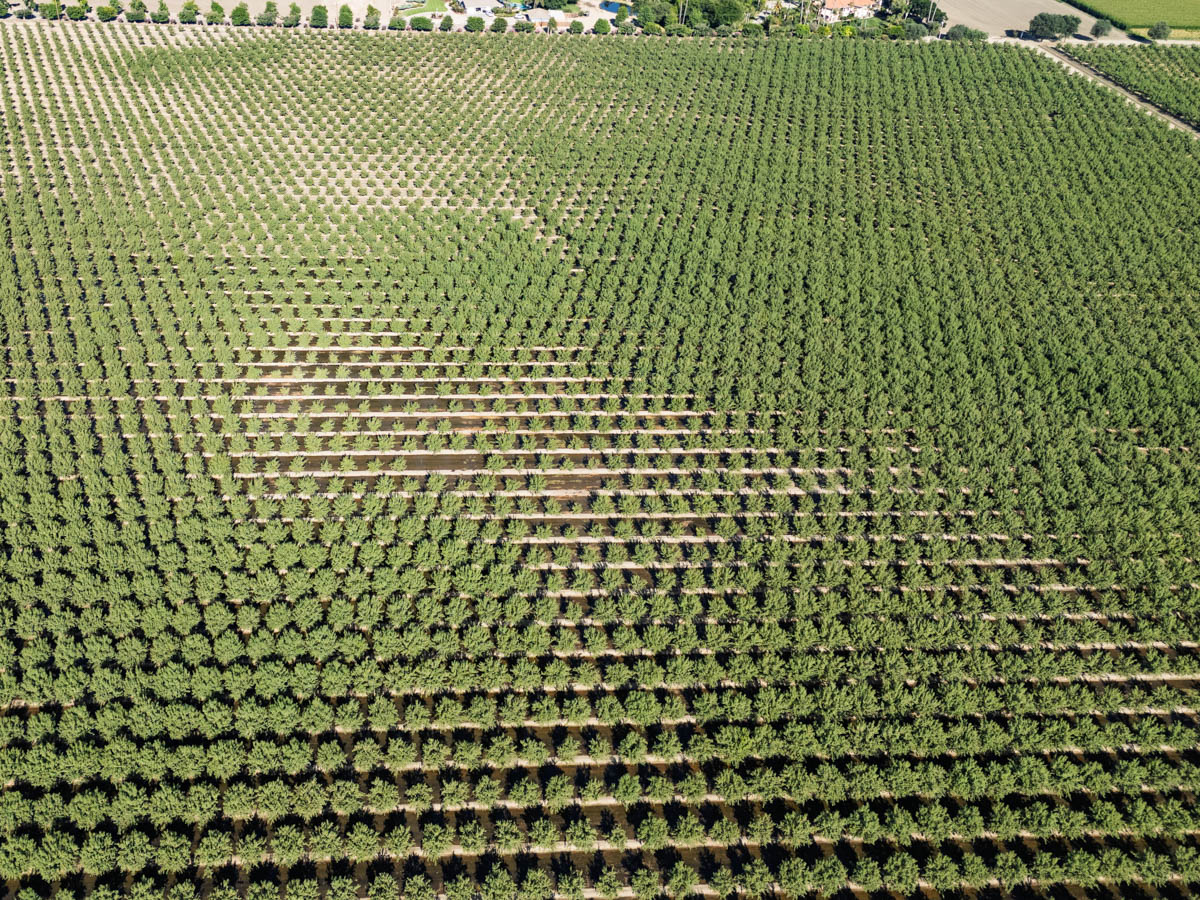
- Soil types: Variations may cause uneven ripening
- Shaker pressure: Adjust oil pressure based on tree maturity to avoid trunk damage or nut loss
Leverage Your Orchard History
Use your almond shaking history as a starting point. Historical data can help anticipate timing patterns and reduce the risk of premature or delayed harvests.
Let AgNote Help You Grow Better Almonds 🌱
With AgNote’s Permanent Crop Management, almond growers can easily manage:
- Irrigation tracking and last watering records
- Note-taking and task logs (like shaking dates and harvest estimates)
- Season planning and productivity tracking
- Easy mobile access for on-the-go updates
